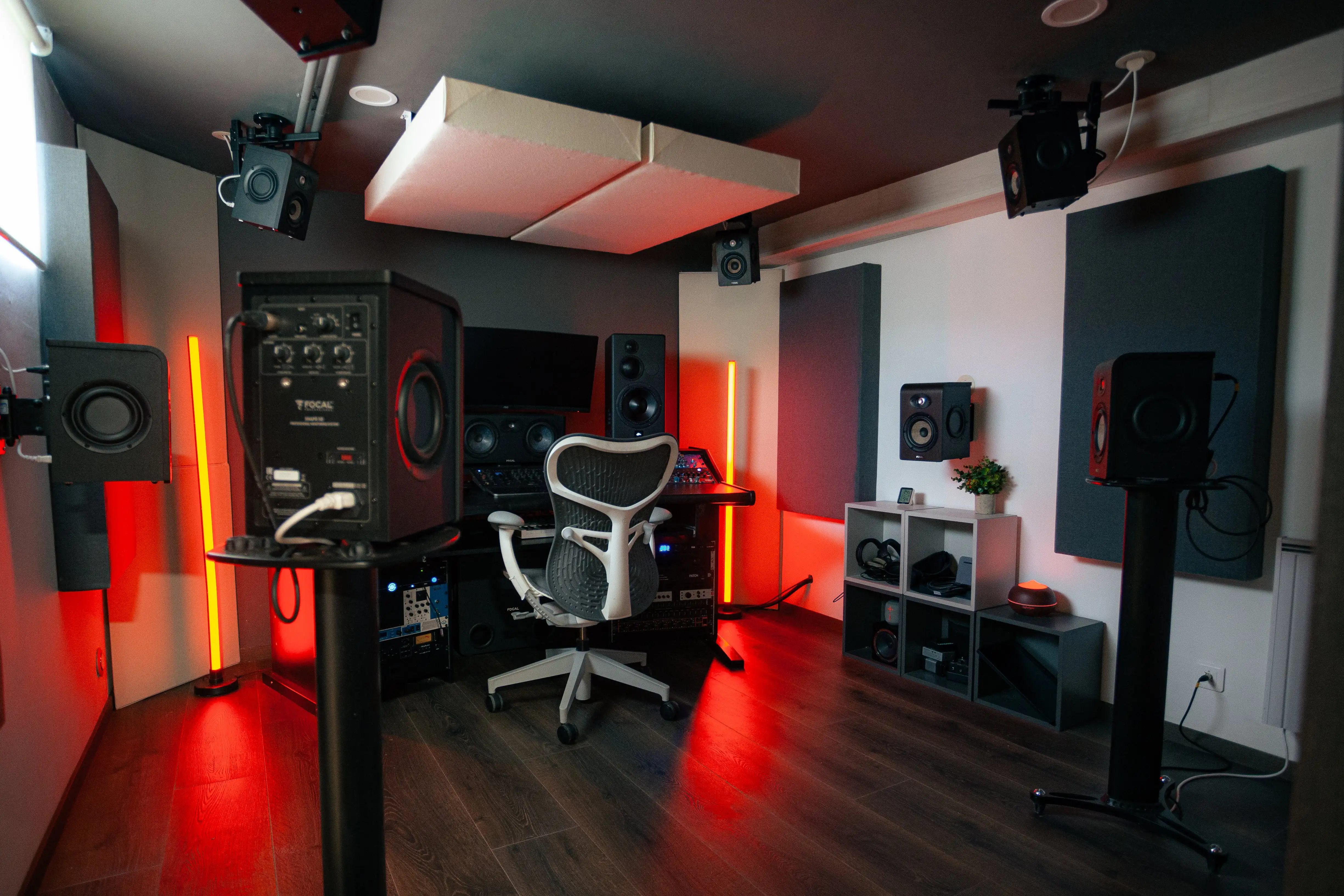
Dolby Atmos 7.1.4 studio · Film post-production
Emotion isn't seen. It's heard.
From sound design to Dolby Atmos 7.1.4 mixing, I shape the sound of your films — features, fiction, documentary. Five feature films in full sound post-production, including Jondi, distributed by Pathé.
- feature films in full sound post-production
- 5
- Jondi (2026), sound supervision & Atmos mix
- Pathé
- Trinnov-calibrated Atmos stage
- 7.1.4
- platform-compliant deliverables
- N · P · TV+
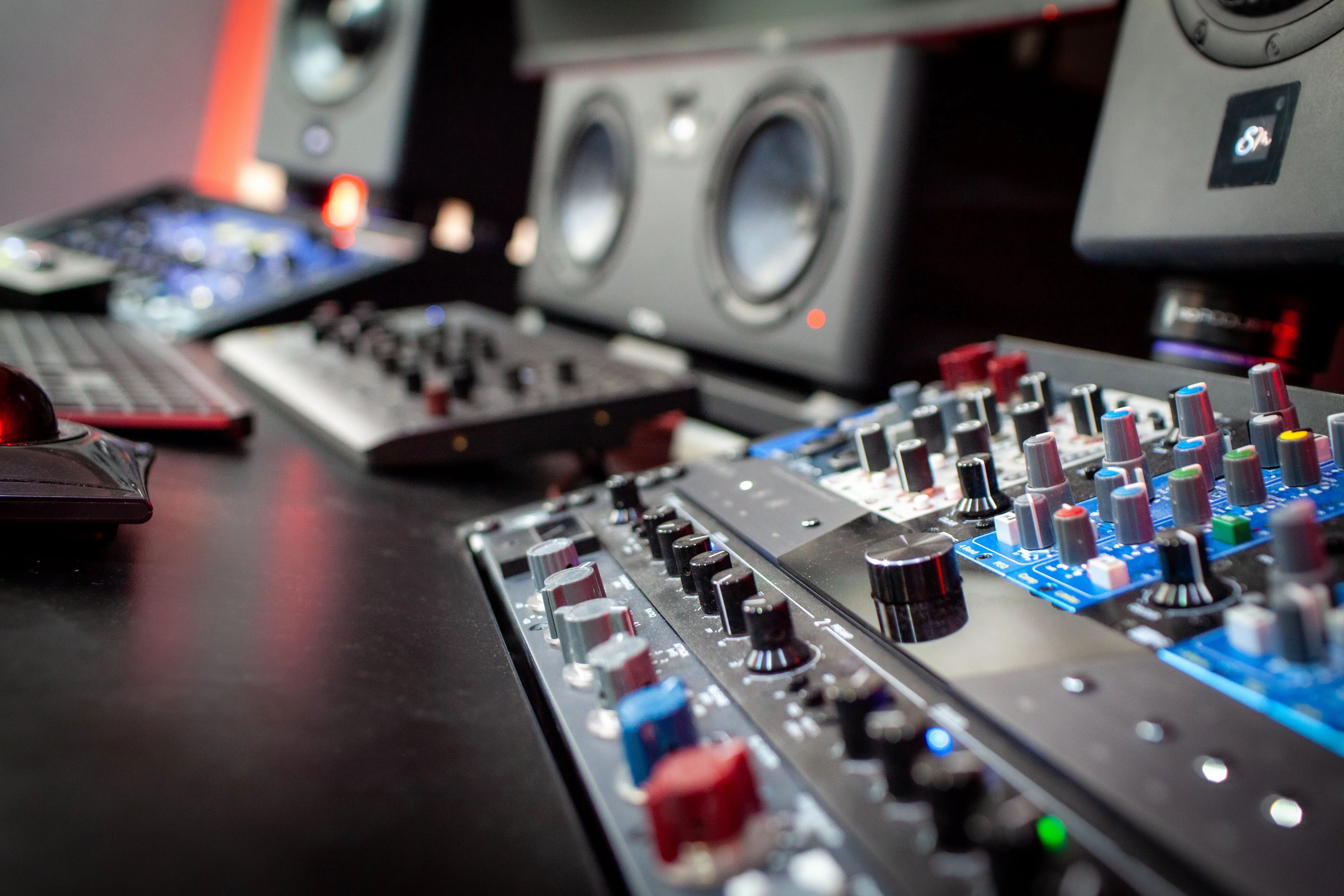
The studio
A room built to hear the truth.
A high-precision immersive environment designed for cinema mixing: twelve Trinnov-calibrated speakers in a treated acoustic. Every sound element is placed with three-dimensional precision — and what you approve here is what the audience will hear, in theaters and in streaming.
- Dolby Atmos 7.1.4
- Trinnov calibration
- Pro Tools
- Mac Studio M4
- ADM BWF · 5.1 · 7.1 · Stereo
- Netflix · Prime · Apple TV+ compliant
Recent work
Finished films, in theaters and on platforms.
-

Feature film · Pathé · 2026
Jondi
Sound supervision · Dolby Atmos mixing
-
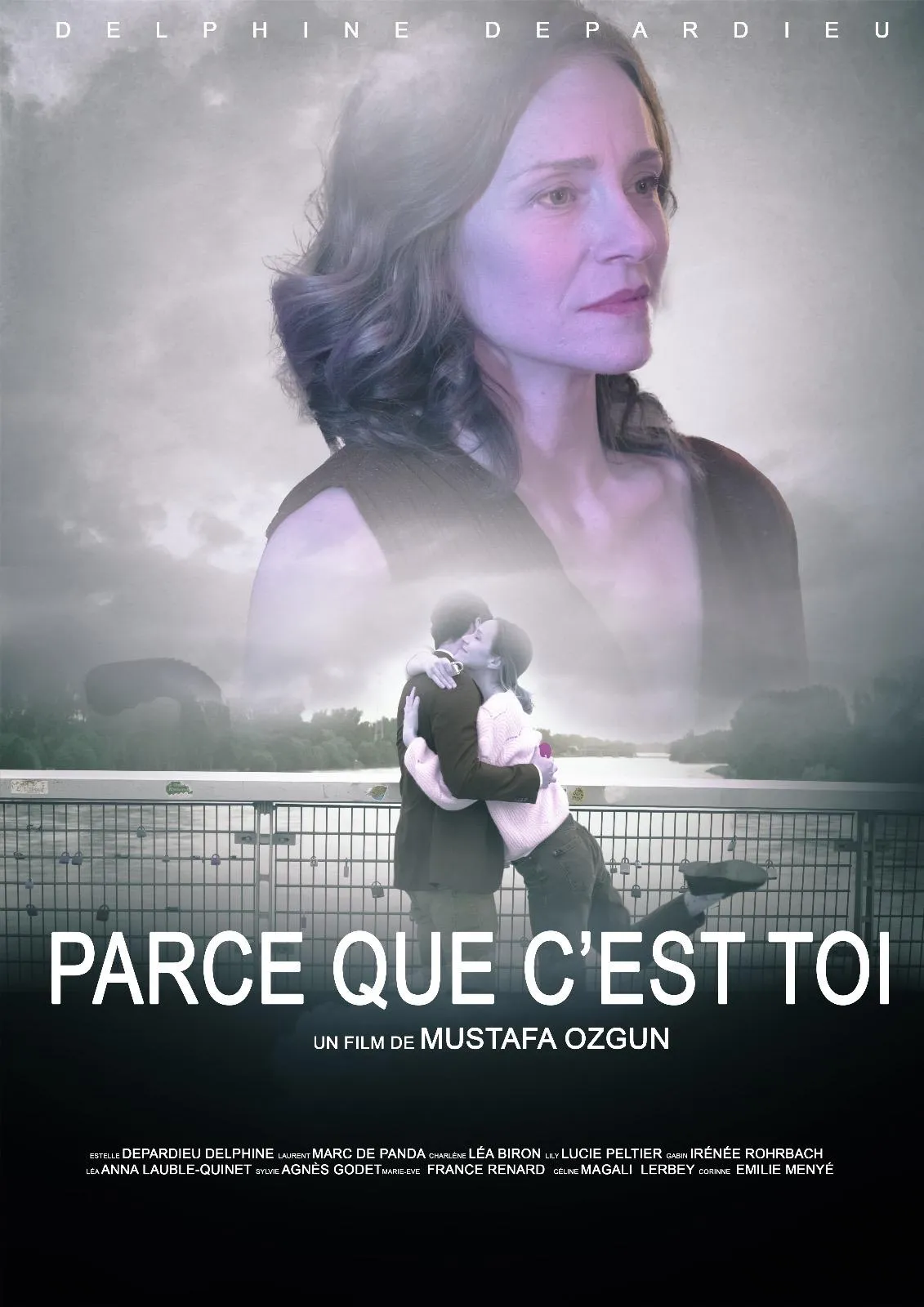
Feature film · 2025
Parce que c'est toi
Dialogue editing · Musical arrangement · Foley · Ambiences · Mixing
-
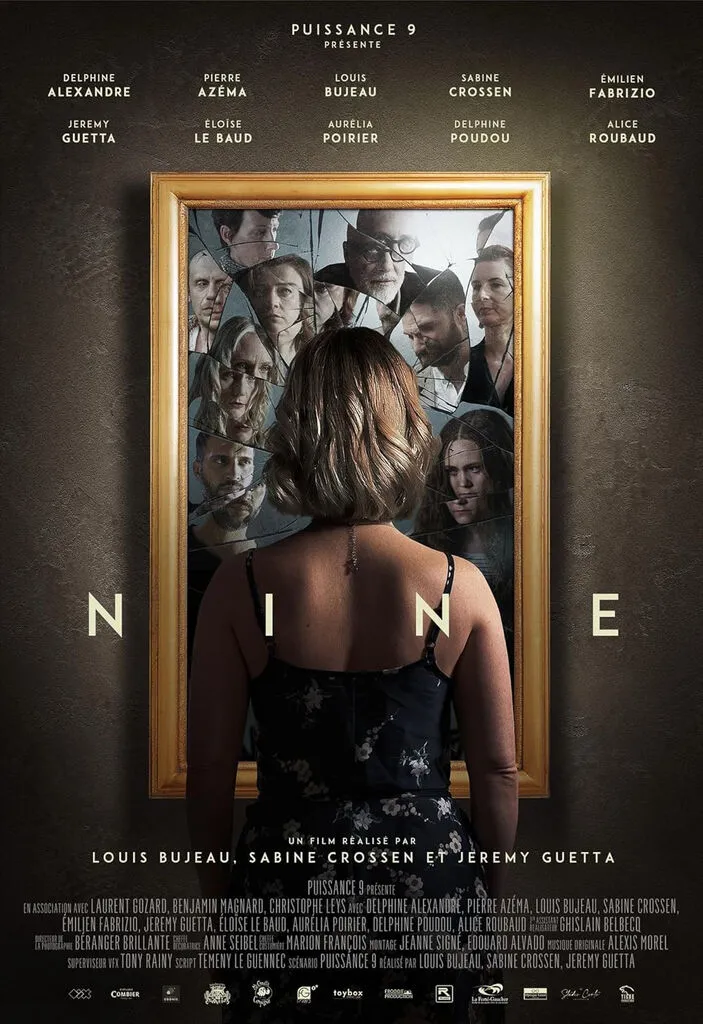
Feature film · 2025
Nine
Foley
Producers & production companies
The guarantor of your film's sound delivery.
Compliant, on time, from spotting to delivery. Sound comes last in the chain, when there is no margin left — my job is making sure your delivery date never moves.
-
Your date holds
Sound is the last link before delivery. I secure the schedule: broadcast master, release, festival — the date doesn't slip.
-
Compliant first time
Give me the broadcaster or DCP specs and I deliver to standard, checked, ready to air — no back-and-forth.
-
A single point of contact
Sound editing, design, mixing and Atmos under one roof: one person responsible for sound, from spotting to delivery.
A partner, not just a vendor
I can come into your financing.
Budget still coming together? Part of the post-production can be structured as deferred payment or a share of receipts, tailored to your financing plan. I take on part of the risk with you.
Voice, from recording to mix
Dialogue is never outsourced.
From studio recording to the most advanced sound editing: the voice is handled end to end, with no outsourcing. The excerpts below are direct proof.
-
01
Voice recording & ADR
Voice recording in a dead-quiet studio: post-sync, voice-over, dubbing — with a microphone locker suited to every timbre.
-
02
Lip-sync
Frame-by-frame alignment of ADR takes to the lips: the audience should never sense the voice was redone.
-
03
Balancing
Consistent levels, timbre and presence from shot to shot: dialogue stays natural and intelligible in every scene.
-
04
Cleanup & restoration
Wind, background noise, artifacts: production sound is restored without altering the voice — listen to the before/afters.
And around the voice: full sound editing with advanced editing work — invisible joins, scene reconstruction, shot-precise sound design.
Audio cleanup
Hear the difference.
Same scene, same picture — only the sound changes. Press play and switch at any time between the raw production sound from the set and the dialogue after editing and cleanup: wind and background noise reduction, artifact removal, intelligibility and vocal presence.
No mixing here: these excerpts showcase dialogue editing and cleanup, the stage that comes before the mix — the sound material itself is restored.
A film in post-production?
Describe your project in five minutes — detailed answer within 24–48 h.